
Wild Camping Rules And Best Practice In England
The Legal Position: Access Land And Camping
In England, wild camping is not a legal right, even on access land designated under the Countryside and Rights of Way Act 2000. That legislation grants you the freedom to roam on foot over mountains, moorland, heath and down, but it explicitly excludes camping. To pitch a tent legally, you need the landowner's permission. This might be a farmer, a National Park authority, or a private estate. In practice, many hillwalkers wild camp without permission, but it is a trespass – a civil matter, not a criminal offence, unless it involves aggravated trespass or damage. Understanding this distinction is key: you are not breaking the law in a criminal sense, but you are infringing on someone's property rights. The respectful approach is to seek permission where possible, or to camp in areas where it is traditionally tolerated, following strict leave no trace principles.
Where Overnight Stays Are Tolerated In England
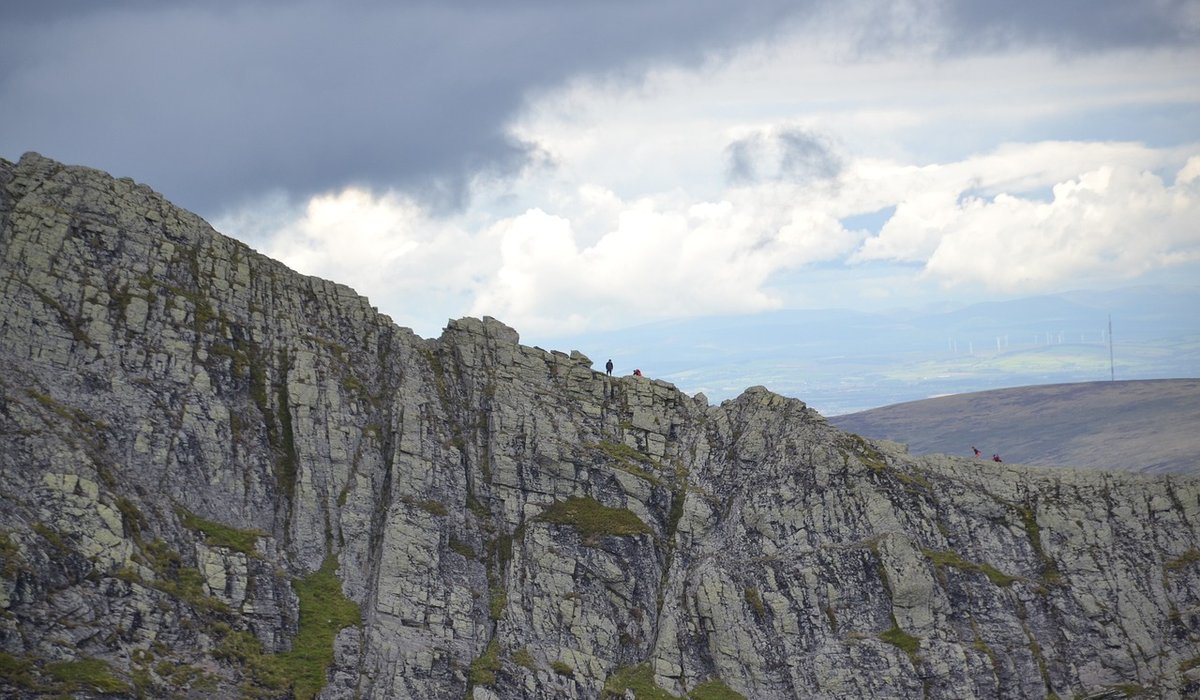
Despite the legal grey area, there are places in England where wild camping is either permitted or widely tolerated. Dartmoor National Park is the only place in England where wild camping is explicitly allowed in certain areas – but even here, rules have tightened recently. You must camp in small, discreet groups, away from roads and enclosed land, and only for one night in the same spot. Elsewhere, the Lake District, Peak District, Yorkshire Dales, and Northumberland National Parks are popular for wild camping, but it is not legal. Tolerance exists in remote spots, typically above the highest enclosed farmland, far from roads and popular trails. The key is discretion: pitch late, leave early, and avoid honeypot locations. In the Lake District, for example, many experienced hillwalkers bivvy on high ridges or by tarns, but this remains a privilege, not a right. Always check local signage and National Park advice before you go.
Leave No Trace: The Seven Principles In Practice
The leave no trace ethos is non-negotiable for responsible wild camping. Here is how to apply it in an English hillwalking context:
- Plan ahead and prepare: Know the area, the weather, and any restrictions. Carry a stove instead of relying on fires.
- Travel and camp on durable surfaces: Use existing pitches on rock, gravel, or dry grass. Avoid fragile vegetation like moss and heather.
- Dispose of waste properly: Pack out all rubbish, including food scraps and tea bags. Bury human waste in a 15–20 cm hole, at least 30 metres from water, and carry out toilet paper in a bag.
- Leave what you find: Do not build cairns, pick flowers, or disturb historical features.
- Minimise campfire impact: Fires are banned in many areas and leave permanent scars. Use a stove for cooking.
- Respect wildlife: Keep your distance, especially during breeding seasons. Store food securely.
- Be considerate of others: Keep noise low, avoid bright lights, and do not camp in view of houses or in busy car parks.
Choosing A Pitch And Minimising Impact
Where you pitch matters as much as how you behave. Look for a flat, well-drained spot that has clearly been used before – a patch of bare ground or short grass. Avoid hollows where water collects, and never camp on the shores of a tarn or lake, as these are fragile habitats. Pitch your tent at dusk and strike it at dawn to minimise visual impact. Use a small, low-profile tent in a muted colour. If you are in a group, split into smaller groups of two or three tents maximum, and spread out. Do not dig trenches or modify the ground. For water, collect from fast-flowing streams and always treat or filter it. In England, the weather can change rapidly, so choose a sheltered spot that is not exposed to prevailing winds. Finally, let someone know your plans and expected return time.
If You Are Asked To Move On
Even when you follow every rule, you might be asked to move by a landowner, farmer, or National Park warden. The best response is polite and immediate compliance. Apologise, explain that you misunderstood, and pack up without argument. Do not become confrontational – remember that wild camping in England is a tolerated activity, not a right. If you are in a group, keep everyone calm and leave the area as you found it. In some cases, a warden may direct you to a nearby official campsite. Accept this gracefully. The future of wild camping depends on the goodwill of landowners and authorities. Every respectful encounter helps preserve access for others. If you are challenged, see it as an opportunity to show that hillwalkers are responsible users of the countryside.
tag: Wild Camping

James Whitaker Author
Close contour lines reveal gradients and potential scrambles, helping you choose a safer route across the hills before you set off.
YOU MAY ALSO LIKE
Reading Contour Lines To Identify Steep Ground
Sep 7
10Build a flexible clothing system with base layers, insulation and waterproof shells to manage sweat and sudden temperature drops.
read more
Layering Clothes For Cold And Wet Ridge Walks
Sep 1
10Assess depth and flow, unbuckle your rucksack and use poles or a human chain to cross safely in spate conditions.
read moreRidge Walks
-

ERRIC CATONA
Interpret wind speed, precipitation and cloud base data to decide whether a high ridge route is suitable for the day.
May 19, 2016 at 5.12 pm
Reply
ERRIC CATONA
Include waterproofs, spare warm layers, food, water, map, compass and a head torch for emergencies on shorter hill days.
May 19, 2016 at 5.12 pm
Reply -
ERRIC CATONA
Spot early signs such as shivering and confusion, then shelter the casualty, replace wet clothing and warm them gradually.
May 19, 2016 at 5.12 pm
Reply
Hill Skills
Your email address will not be published.