
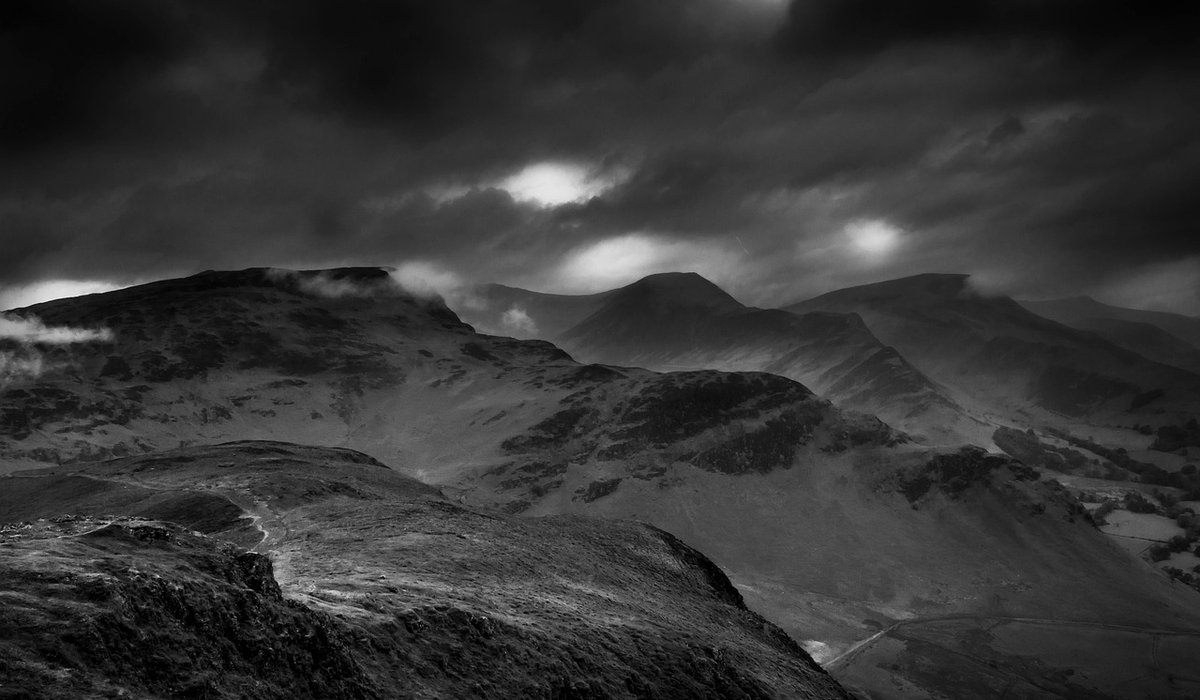
Dealing With Midges On Scottish Hill Trips
Know What You Are Up Against
Scotland's biting midge, the Highland variety that drives walkers half mad on still summer evenings, is a tiny thing — barely two or three millimetres long — but it punches far above its weight. Only the females bite, and only between roughly May and September, with the season peaking from late June through August. They do not carry disease here, but the bites itch, swell and can become infected if you scratch them open, and a cloud of them can genuinely spoil a hill day.
Their habits are predictable, which is your advantage. Midges hate wind, direct sun, and dry air. They love damp, humid, sheltered places: the lee side of a loch, boggy hollows, birch and alder woodland, the bottom of a corrie, the grassy flat where you were planning to pitch your tent. A breeze of even five or six miles an hour is enough to keep most of them grounded, so any route that keeps you in moving air is a route worth choosing.
Pick Your Ground and Your Hour
The single most effective tactic costs nothing: plan around the weather and the terrain. On a windy, sunny day you can sit on a summit eating your sandwiches in perfect comfort. On a calm, muggy, overcast day the same spot will be a torment.
- Favour ridges and high ground. Above roughly 500 metres, and on any exposed shoulder or arête, you will usually find enough breeze to keep the biting to a minimum.
- Avoid sheltered corries, loch shores and woodland in the early morning and late evening, and think hard before camping anywhere near still water.
- Walk in the middle of the day. Dawn and dusk are the worst windows; a long summer evening on the hill is lovely in theory and brutal in practice.
- Take the ridge, not the glen path. If two routes get you to the same summit, the airier one will be far more pleasant in midge season.
- Use the wind. Walk the windward side of a slope, stop on the crest rather than in the dip, and turn your face into the breeze whenever you pause.
Repellents That Actually Do the Job
Repellent is not a magic shield, but applied properly it makes the difference between an annoying day and an unbearable one. Look for products containing Icaridin (also called picaridin) in concentrations around 20 per cent, or DEET at 20 to 50 per cent. Both are well proven; Icaridin is gentler on plastics and less smelly, while DEET is the old reliable.
- Apply to all exposed skin — face, ears, neck, hands, ankles — and reapply every few hours, especially if you have been sweating.
- Do not waste it under your clothing. Cover up with fabric instead.
- Treat your walking shirt, trousers and socks with a permethrin-based clothing spray before your trip. It lasts through several washes and kills midges that land on the fabric.
- Herbal and citronella-based options are pleasant but noticeably less reliable in a proper Scottish cloud.
- Test anything new on a small patch of skin before you rely on it for a week.
Head Nets, Layers and the Clothing That Saves You
A head net is the most important piece of midge kit you will ever buy, and it costs less than a round of drinks. Buy a fine-mesh one — midges are small enough to squeeze through coarse netting — and keep it in your rucksack pocket, not at the bottom of the bag. Pair it with a wide-brimmed hat so the mesh stays off your face.
Dress defensively. Long sleeves, trousers tucked into socks, thin gloves for the worst evenings, and a light-coloured layer rather than a dark one, since midges are drawn to dark shapes. Avoid scented sun cream, perfume and strongly fragranced washing powder. If you walk regularly in the Highlands in summer, a midge jacket or hood with an integrated net is a worthwhile investment and weighs almost nothing.
Camping, Bothies and Mealtimes
Cooking and eating are when most people get eaten alive, because you stop moving and expose your hands. Pitch high and exposed, well away from water and trees, and ideally where you can see the grass moving. Keep the tent zipped at all times and never leave the inner open while you rummage in the porch.
For bothies, close the shutters and door, and consider a smouldering midge coil placed near a ventilation gap. For tents, a coil just outside the door works well; do not burn one inside. If you must cook in calm conditions, wear your head net and gloves, and eat while walking if you can.
After the Bite, and Keeping Perspective
If they get you anyway, resist scratching — broken skin is how bites turn nasty. Antihistamine tablets, a cold compress and a bite-relief cream will settle most reactions; see a doctor if a bite becomes hot, swollen and spreading.
Remember that midges are seasonal and local. Early May and late September are often far quieter than July, and a breezy forecast can transform a notoriously bad glen into a pleasant one. Plan around them, carry the kit, and do not let them put you off the finest ridge walking in Britain.
tag: Countryside

James Whitaker Author
Look for reliable brightness, long battery life and a comfortable strap when walking in darkness on unmarked terrain.
YOU MAY ALSO LIKE
Choosing A Head Torch For Night Navigation
Jul 23
10Pack blister plasters, painkillers, a survival bag and a charged phone for emergencies far from help or phone signal.
read more
First Aid Essentials For Remote Hillwalking Days
Jul 17
10Adjust your pace, use rest steps and keep your pack close to your back to conserve energy on long ascents.
read moreRidge Walks
-

ERRIC CATONA
Know where you can legally roam, respect closures and follow local signs when crossing moorland and farmland in England and Wales.
May 19, 2016 at 5.12 pm
Reply
ERRIC CATONA
Learn to move confidently on rock, use three points of contact and judge when to rope up on grade one ground.
May 19, 2016 at 5.12 pm
Reply -
ERRIC CATONA
Carry ice axe and crampons, check avalanche forecasts and build experience before tackling snow-covered ridges in full winter conditions.
May 19, 2016 at 5.12 pm
Reply
Hill Skills
Your email address will not be published.