
Preparing For A Winter Hillwalking Adventure
Why Winter Changes Everything
A snow-covered ridge in the Scottish Highlands or the Lake District can be one of the most beautiful places in Britain. It can also be one of the most unforgiving. The same route you skipped along in July in trail shoes becomes a completely different proposition in January, when the ground is glazed with ice, the gullies are loaded with windslab and the daylight lasts barely seven hours. Winter hillwalking is not simply summer walking with an extra fleece. It is a distinct discipline, and the skills take time to build.
The good news is that the British winter rewards preparation generously. If you put in the groundwork — kit, fitness, navigation and judgement — you can enjoy long days on magnificent ridges while the crowds are at home. This article sets out what that groundwork looks like.
Start With the Right Kit
The single most important shift in winter is that you carry equipment to stop yourself sliding, not just to keep yourself warm. Two items are non-negotiable on any snow-covered slope where a slip could send you downhill:
- An ice axe. A general-purpose walking axe around 55–65cm suits most British hillwalking. Hold it by the head, with the pick pointing backwards, when you are not using it. Learn to use the pick as a brake and to cut steps on hard snow.
- Crampons. Twelve-point steel crampons with front points that fit your boots properly and are adjusted before you leave the house, not on a windy summit. Check the bindings suit your boot type — strap-on, hybrid or step-in.
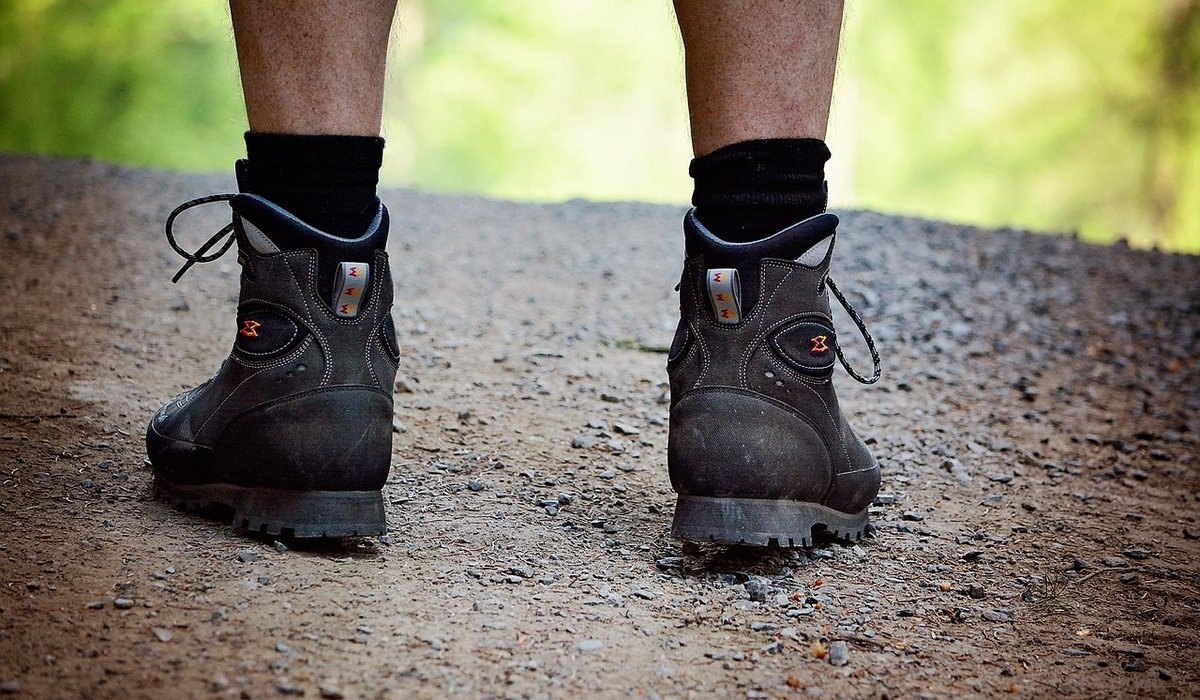
Beyond those, think in layers. A waterproof and windproof shell is essential, as is a warm mid-layer, spare gloves, a hat and a balaclava. Add goggles for spindrift, a headtorch with spare batteries, and a bothy bag for emergencies. Boots need to be stiff enough for crampons — a flexible summer boot will wobble and tire your feet.
Learn to Use What You Carry
Owning an axe and crampons is not the same as being able to use them. On gentle terrain, practise the basics before you need them for real:
- Self-arrest. Find a safe, soft snow slope well away from rocks. Lie head-up, head-down and on your front, and get used to rolling onto the axe and driving the pick into the snow. It should become reflex.
- Crampon technique. Walk flat-footed on hard snow rather than on your toes, and keep the points in contact with the surface. Watch your gaiters and trouser legs — catching a point on the other leg causes real injuries.
- Step cutting. On short steep sections, cutting a few steps with the axe can be safer and quicker than faffing with crampons. Practise on easy ground first.
- Navigation. Winter paths vanish under snow and tracks fill in. Be confident with a map and compass, pacing and timing, and use a GPS as a backup rather than a crutch.
A one- or two-day winter skills course is money well spent. Instructors will correct habits you did not know you had, and you will meet other people to walk with.
Check the Forecast Before You Commit
Winter conditions change fast, so the forecast is part of the planning, not an afterthought. The night before, look at the mountain weather forecast, the avalanche forecast for the relevant area and the wind speeds at summit level. Wind is the factor most likely to turn a good day into a retreat: gusts above 40mph on an exposed ridge are miserable, and above 60mph they are dangerous.
Avalanche forecasts are published for the main Scottish areas and give a hazard rating by aspect and altitude. Read the detail — a Moderate rating on north-facing slopes above 900m is a clear instruction to avoid those slopes. Windslab is the classic British avalanche problem: soft snow transported by wind onto lee slopes, often just below a ridge or in a gully. Learn to spot it — smooth, chalky-looking patches that feel hollow underfoot.
Also check daylight hours, the freezing level and whether the snow is likely to be firm, wet or deep. If the forecast is marginal, have a lower, sheltered plan B ready.
Build Experience Gradually
The best way to prepare for big winter ridges is a steady progression, not a leap. Start with low-level walks in snow to get used to moving in crampons and managing layers in the cold. Then choose straightforward ridges with escape routes and easy navigation, going with someone more experienced if you can.
- Go with others. A group of three is ideal: one to help, one to go for help.
- Tell someone your plan. Route, timings and an emergency contact, every time.
- Turn back early. Set a time limit for reaching a key point and stick to it. Most accidents happen on the descent, when people are tired and rushing.
- Keep notes. Record conditions, what worked and what did not. That log becomes your own winter guidebook.
Winter rewards patience. Put in the hours on easier ground, keep your skills fresh each season, and the classic snow-covered ridges will still be there when you are ready for them.
tag: Weather Safety

Eleanor Hartley Author
Choose a durable pitch, bury human waste and avoid disturbing wildlife while enjoying Scotland's extended access rights for a low-impact night.
YOU MAY ALSO LIKE
Wild Camping In The Scottish Highlands Responsibly
Jul 4
10Identify fronts, isobars, and pressure systems to anticipate wind and rain before committing to an exposed route in the hills.
read more
Reading A Weather Map For Hill Planning
Jun 29
10Build endurance gradually with hill repeats, back-to-back walks and strength work to prepare legs and lungs for multi-day routes.
read moreRidge Walks
-

ERRIC CATONA
Check forecasts, identify escape routes and pack layers before setting out on exposed ridgelines where conditions can shift quickly.
May 19, 2016 at 5.12 pm
Reply
ERRIC CATONA
Learn to pace, take bearings and read contours so you can stay on track when cloud reduces visibility on the fells.
May 19, 2016 at 5.12 pm
Reply -
ERRIC CATONA
Consider ankle support, waterproofing and fit when selecting footwear for multi-day routes across varied British terrain and unpredictable ground.
May 19, 2016 at 5.12 pm
Reply
Hill Skills
Your email address will not be published.