
Choosing Walking Boots For Long Distance Trails
Long distance walking in the UK is a test of kit and character. From the boggy plateaus of the Pennine Way to the rocky arêtes of the Cairngorms, the ground underfoot changes with every mile. Your boots are the single most important piece of equipment you will carry. Get them right and you can stride out for days; get them wrong and every step becomes a chore. Here is what to consider when choosing walking boots for multi-day trails across British hills and ridges.
Ankle support for rough, varied ground
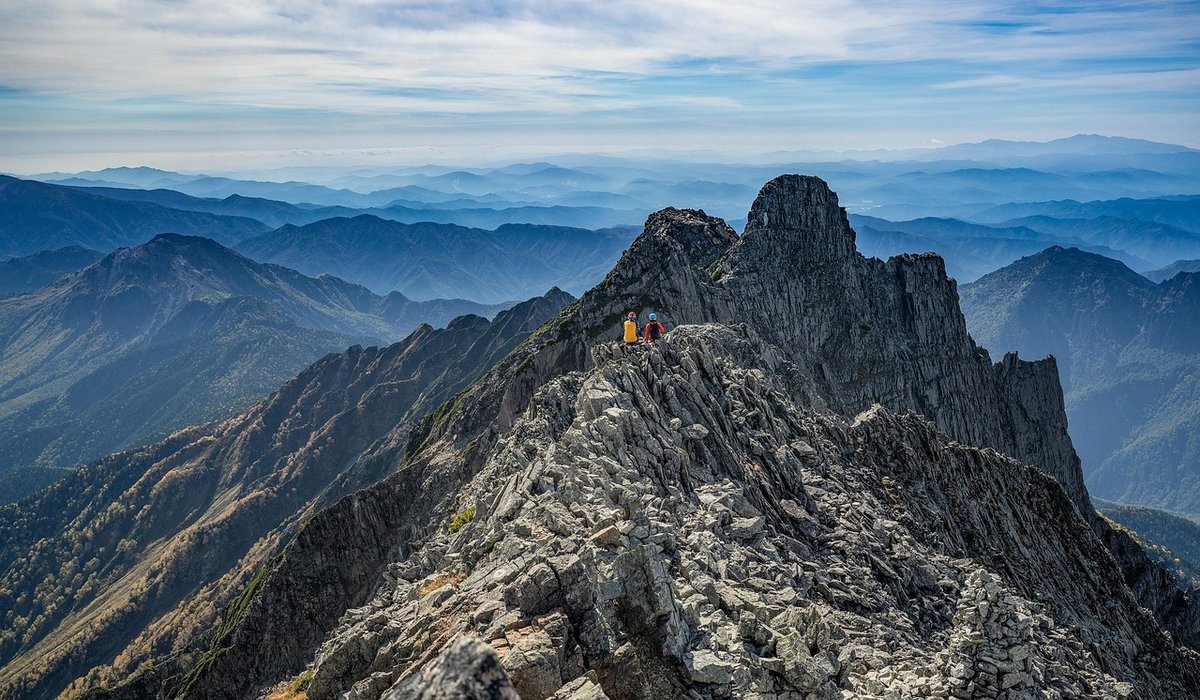
British terrain is rarely uniform. A single day on a long distance route might take in muddy moorland, loose scree, slick rock, and deep heather. On ridge routes especially – think the Carneddau, the Brecon Beacons, or the Aonach Eagach – a moment of fatigue can lead to a twisted ankle. Boots with a higher cut and a supportive heel counter help protect against that. But support is not just about height. A stiff midsole and a snug heel hold reduce the work your ankles do when you are carrying a multi-day pack. That said, if you are walking mostly on lowland paths and gentle tracks, a lighter mid-cut boot may be plenty. For true long distance trails, err on the side of support. Your ankles will thank you on the third or fourth day when fatigue sets in.
Waterproofing and breathability in British weather
You can almost guarantee rain on a UK long distance walk. Wet grass, boggy patches, and stream crossings are part of the experience. A waterproof membrane keeps water out, but it also traps sweat. On a multi-day trip, damp feet from sweat are as uncomfortable as damp feet from rain. Look for boots with a breathable waterproof lining and pair them with wool or synthetic socks that wick moisture. If you walk in summer or on well-drained chalk downland, you might prefer non-waterproof boots that dry quickly. But for most British hillwalking, waterproof boots are the safer bet. Add a pair of ankle gaiters for boggy sections and you will keep more water out of the top of the boot.
Fit is everything
No amount of technology will save you if the boot does not fit. Your feet swell during a long day, so try boots on in the afternoon or evening, wearing the socks you plan to walk in. There should be a thumb's width of space between your longest toe and the front of the boot. Your heel should not lift when you walk, but your toes should not jam either. Check the width – many British walkers have wider feet than the last of some continental boots allows. Lacing systems matter too. A locking lace hook at the ankle can hold your heel back while allowing the forefoot to flex. If you have narrow heels and wide forefeet, look for boots with a women's specific or volume-adjustable fit. Blisters are the enemy of long distance trails, and most are caused by poor fit, not by tough feet.
- Try boots on with your walking socks and any orthotics.
- Walk on a ramp or incline to check toe clearance and heel hold.
- Ensure the widest part of your foot aligns with the widest part of the boot.
- Wear them around the house for an hour before committing.
Sole stiffness, tread and materials
Long distance trails demand a balance between stiffness and flexibility. A very stiff sole is tiring on tarmac and easy tracks; a very soft sole leaves your feet aching on rocky ground. Aim for a mid-stiff boot with a shank that protects the sole of your foot from sharp stones but still allows a natural roll. The tread should have deep, well-spaced lugs that shed mud – vital on peat and clay. Sticky rubber compounds grip wet rock, which matters on ridge scrambles. Leather boots are durable and mould to your feet, but they are heavy and slow to dry. Synthetic boots are lighter and quicker to dry, though they may not last as many seasons. For multi-day routes, consider a hybrid: synthetic upper with leather reinforcements at high-wear areas.
Weight, breaking in and caring for your boots
Every gram counts when you are carrying a tent, sleeping bag and several days of food. Lighter boots reduce fatigue, but ultralight models often sacrifice support and durability. Find the sweet spot that matches your pack weight and the terrain. Once you have chosen, break them in gradually. Wear them on short walks, then longer ones, before you commit to a multi-day route. Carry blister plasters and know how to lace your boots to relieve pressure points. After each trip, clean off mud, dry them away from direct heat, and re-proof leather or fabric as needed. A well-cared-for pair of boots can last hundreds of miles. And remember: the best boot is the one that fits your foot, not the one that wins awards. Try before you buy, walk in them often, and trust your own comfort over any specification.
tag: Gear Reviews

Eleanor Hartley Author
Understand land access, leave no trace principles and where overnight camping is tolerated before pitching your tent responsibly.
YOU MAY ALSO LIKE

Wild Camping Rules And Best Practice In England
Sep 13
10Close contour lines reveal gradients and potential scrambles, helping you choose a safer route across the hills before you set off.
read more
Reading Contour Lines To Identify Steep Ground
Sep 7
10Build a flexible clothing system with base layers, insulation and waterproof shells to manage sweat and sudden temperature drops.
read moreRidge Walks
-

ERRIC CATONA
Assess depth and flow, unbuckle your rucksack and use poles or a human chain to cross safely in spate conditions.
May 19, 2016 at 5.12 pm
Reply
ERRIC CATONA
Interpret wind speed, precipitation and cloud base data to decide whether a high ridge route is suitable for the day.
May 19, 2016 at 5.12 pm
Reply -
ERRIC CATONA
Include waterproofs, spare warm layers, food, water, map, compass and a head torch for emergencies on shorter hill days.
May 19, 2016 at 5.12 pm
Reply
Hill Skills
Your email address will not be published.