
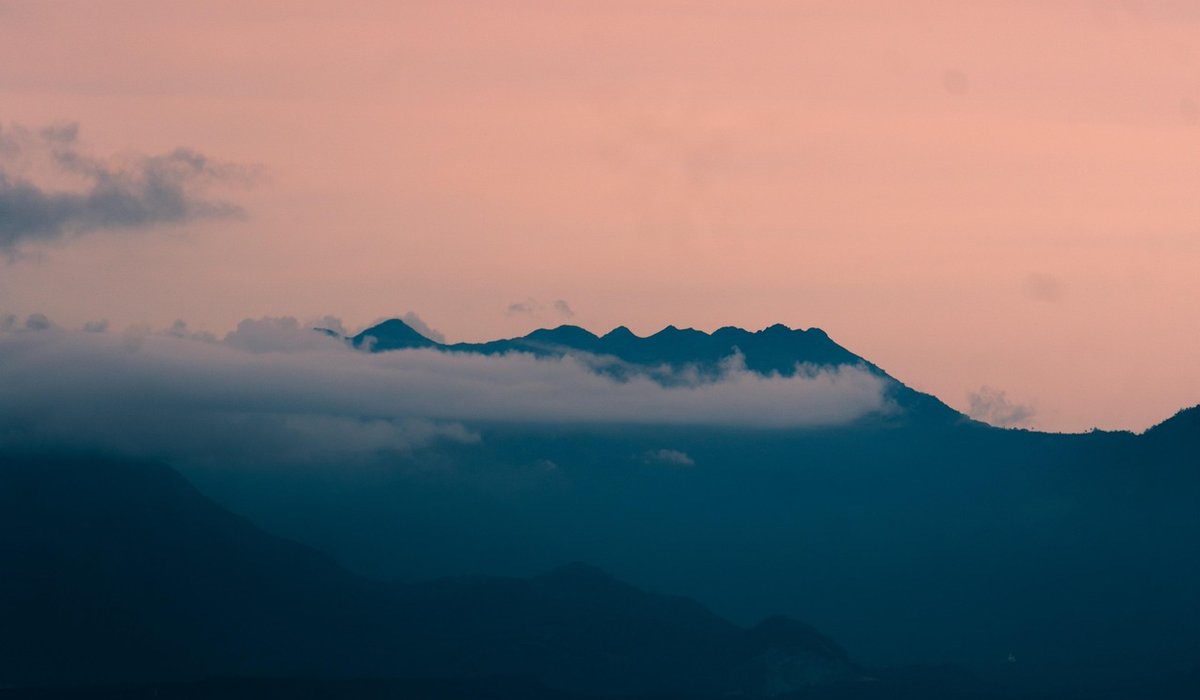
Understanding Mountain Weather Forecasts For Hillwalkers
There's a particular kind of optimism that seizes a hillwalker the night before a big ridge day. The gear is laid out, the route is planned, and the forecast looks... reasonable. But "reasonable" can mean many things. A gentle breeze in the valley can be a roaring gale on the crest. A light drizzle at sea level can be horizontal sleet on the tops. Learning to read the numbers properly – wind speed, precipitation, and cloud base – is the single most valuable skill you can develop for deciding whether a high ridge route is on or off.
Wind Speed: The Ridge's Hidden Gatekeeper
Wind is the factor that most often turns a straightforward ridge into an epic. Forecasts give sustained wind speed and gusts. For ridge walking, sustained speeds above 30 mph are your first warning. At 30–40 mph you'll be leaning into the wind, and balance on narrow sections becomes compromised. Above 40 mph, progress is exhausting and exposure feels significantly more serious. Gusts are the real threat: they can add 20–30 mph to the sustained figure and arrive without warning, particularly on cols and summits.
- 0–15 mph: barely noticeable; ideal ridge conditions.
- 15–25 mph: noticeable, but manageable; hats stay on.
- 25–35 mph: walking becomes harder; balance tested on exposed sections.
- 35–45 mph: serious; consider a lower route.
- 45+ mph: avoid high ridges unless you're very experienced and equipped.
Also consider direction. A crosswind on an exposed arête is far more destabilising than a headwind. And wind chill: a 20 mph wind at 5°C feels like -2°C, which saps energy and dexterity. Check the forecast for the summit level, not the valley. If the forecast gives wind speeds in km/h, divide by 1.6 for a rough mph equivalent. As a rule of thumb, if gusts exceed 50 mph on a high ridge, have a lower-level backup plan.
Precipitation: Intensity, Duration, and What It Does to the Ground
Precipitation is not just about getting wet. It affects rock friction, river crossings, and visibility. Forecasts often give a percentage chance and a total amount in millimetres. Light rain (under 2 mm per hour) is manageable with good waterproofs, but it makes greasy rock – particularly gabbro, slate, and smooth volcanic rock – treacherous. Moderate rain (2–10 mm per hour) will soak you and the ground, and streams will rise quickly. Heavy rain (over 10 mm per hour) on a ridge is a serious proposition: paths become torrents, and escape routes may be cut off by swollen burns.
Snow is a different beast. Even a few centimetres on a ridge can hide loose rock and turn a scramble into a winter mountaineering route. Check the freezing level: if it's below the ridge height, expect snow or ice. Hail and sleet sting exposed skin and reduce visibility instantly. And don't forget that precipitation often comes with cloud, so you may lose the views that make a ridge worthwhile.
Cloud Base: Your Window on the World
Cloud base is the height of the lowest cloud layer. In the UK, forecasts often give it in metres above sea level. For high ridge routes, a cloud base below the ridge height means you'll be in the clag. That's not automatically a no-go, but it changes the day entirely. Navigation becomes a compass-and-map exercise, and the sense of exposure is heightened because you can't see the drops. A cloud base of 600 metres or lower will put many Lake District and Snowdonia ridges in cloud. In Scotland, a base of 900 metres still leaves Munros like Ben Nevis or the Cuillin in the murk.
If the cloud base is forecast to lift during the day, an early start might be rewarded. But beware of orographic cloud that clings to ridges even when the valley is clear. And remember that cloud base can drop rapidly with a passing shower. Always carry a compass and know how to use it – a GPS is useful, but batteries fail.
Putting It All Together: The Ridge Decision
No single figure should make your decision. A 25 mph wind with 1 mm of rain and a 900-metre cloud base is a classic "go, but be ready to turn back" day. A 45 mph gust with 15 mm of rain and a 400-metre cloud base is a clear "save it for another day". The key is to look at the combination. Wind and precipitation together create wind chill and hypothermia risk. Low cloud plus wind makes navigation and communication harder. Add in short daylight hours and a remote ridge, and the margin for error shrinks fast.
Check the forecast for the time window of your route, not just the day's summary. A front arriving at 2 pm might mean you should be off the ridge by noon. Look at the trend, not just the snapshot. And always have a plan B: a lower-level walk, a forest trail, or a bothy day. The hills will still be there next weekend.
When to Turn Back – and Why That's a Skill
The best hillwalkers aren't the ones who push on regardless; they're the ones who know when to call it. If the wind is gusting harder than forecast, if the rain is heavier than expected, or if the cloud base has dropped below your route's high point, that's your cue. Turning back is not failure. It's good judgement, and it means you'll be back for another day. Trust the forecast, but trust your eyes and your gut too. The mountains are always in charge.
tag: Weather Safety

Sophie Bramley Author
Include waterproofs, spare warm layers, food, water, map, compass and a head torch for emergencies on shorter hill days.
YOU MAY ALSO LIKE
Packing A Day Rucksack For UK Hill Walks
Aug 19
10Spot early signs such as shivering and confusion, then shelter the casualty, replace wet clothing and warm them gradually.
read more
Recognising And Treating Hypothermia On The Hills
Aug 13
10Practise taking bearings and following compass legs to maintain accuracy when paths disappear in mist or darkness on the hill.
read moreRidge Walks
-

ERRIC CATONA
Start with gentle elevated routes that offer dramatic views without exposed scrambling, building confidence for harder mountain days.
May 19, 2016 at 5.12 pm
Reply
ERRIC CATONA
Break the route into manageable stages, book accommodation early and prepare for mixed weather over several days on foot.
May 19, 2016 at 5.12 pm
Reply -
ERRIC CATONA
Carry out all litter, respect wildlife and keep to paths to protect fragile habitats and farming livelihoods in rural areas.
May 19, 2016 at 5.12 pm
Reply
Hill Skills
Your email address will not be published.