
Understanding Access Rights On Open Access Land
What Open Access Land Really Means
There is a comfortable myth among hillwalkers that the English and Welsh uplands are open house — that any fence you can climb is fair game. They aren't. The right to roam, granted by the Countryside and Rights of Way Act 2000, applies only to land that has been mapped and designated as open access: mountain, moor, heath, down and registered common land. It amounts to a modest fraction of both countries, but in the uplands — the Rhinogs, the Cheviots, the Dark Peak, the Howgills, the Berwyns — it covers much of the ground you actually want to walk on.
On that land you may wander freely, path or no path. That is the great gift of it, and the freedom is genuine. But it comes with conditions that are easy to forget once the cloud lifts and the ridge draws you onwards.
The Ground Where Access Does Not Apply
Open access is not a blanket permission. Even inside a mapped area, certain things are excluded:
- Buildings, gardens and the land immediately around a dwelling
- Golf courses, racecourses and aerodromes
- Quarries, working sites and land under active construction
- Land where crops are growing, or where they have been sown within the last twelve months
You also do not have the right to ride a horse, push a bike, camp or light a fire on access land. Walkers on foot, with a reasonable degree of control over children and dogs, are what the legislation had in mind. There is nothing to stop you crossing land on a public right of way, of course — but the two systems are separate, and the differences matter.
Reading The Ground: Signs, Waymarks And Maps
Two bits of knowledge will carry you a long way. First, the outdoor maps show open access land as a pale wash of cream or orange, so you can see at a glance where the freedom begins and ends. Second, waymark discs follow a colour code: yellow for footpaths, blue for bridleways, purple for restricted byways and red for byways open to all traffic. Yellow-topped posts are the ones you will meet most often on a Welsh hillside.
At gates and stiles on access land you will sometimes find the access symbol — a walker in a square, usually on a brown sign. It is a signal that you may leave the path, cut a corner, or wander a ridge in whatever line takes your fancy. Where no such sign appears, assume the fences are there for a reason.
Closures, Restrictions And Seasonal Sense
Access can be suspended. A landowner may close access land for up to twenty-eight days a year without seeking anyone's permission, typically for shooting, farming or stalking. Longer closures need approval and are usually for land management, nature conservation, wildfire risk on tinder-dry moorland, or military activity on the ranges.
Some closures are annual and predictable — ground-nesting birds between spring and midsummer, lambing, heather burning. Others come up at short notice. Check the official access maps before a big day out, especially in late summer, and read the notices pinned to gates and stiles. If a sign says closed, it is closed; creeping past it undoes years of goodwill built up by walkers who did not.
Paths, Farmland And Livestock
Public rights of way are legally defined lines, not general permissions. On a footpath you are entitled to walk that line and nothing more, even if it wanders through a field of barley while a perfect path runs along the headland. Use the stiles, gates and gaps provided rather than climbing walls or squeezing through hedges, which damages them and irritates the people who maintain them.
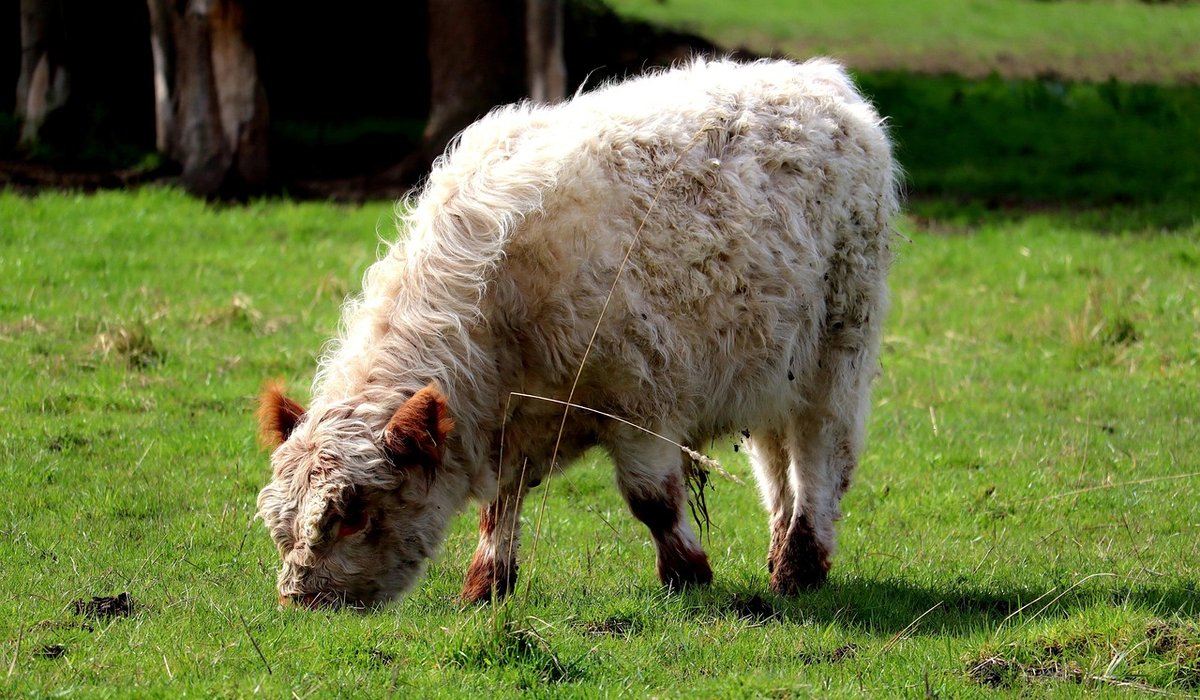
Where access land meets farmland, the boundary is worth respecting precisely. A yard, a track, a silage clamp or a field of sheep is not a shortcut. Cattle with calves deserve a wide berth and a calm, quiet retreat; do not run, and never let a dog loose among livestock, however well behaved it usually is.
Habits That Keep Access Open
The right to roam survives on trust, and trust is built in small gestures. Close every gate behind you, even the ones that look abandoned. Keep dogs on a short fixed lead of no more than two metres on access land between 1 March and 31 July, and under close control around livestock at any time of year. Stay on the path across fragile peat and eroded ridge lines, and avoid cutting the corners of zigzags, where the scars take decades to heal.
If you meet a keeper, a farmer or a warden, a nod and a hello does more for hillwalking access than any amount of legislation. And if you find a broken stile, a locked gate or a misleading sign, report it to the relevant national park or countryside access team rather than grumbling about it in the pub. In Scotland the rules are different again, governed by a right of responsible access, but the spirit is identical: go anywhere, tread lightly, leave nothing but the bootprints you cannot help.
tag: Countryside

Oliver Radcliffe Author
Learn to move confidently on rock, use three points of contact and judge when to rope up on grade one ground.
YOU MAY ALSO LIKE
Scrambling Skills For Exposed Mountain Ridges
Jul 9
10Carry ice axe and crampons, check avalanche forecasts and build experience before tackling snow-covered ridges in full winter conditions.
read more
Preparing For A Winter Hillwalking Adventure
Jul 6
10Choose a durable pitch, bury human waste and avoid disturbing wildlife while enjoying Scotland's extended access rights for a low-impact night.
read moreRidge Walks
-

ERRIC CATONA
Identify fronts, isobars, and pressure systems to anticipate wind and rain before committing to an exposed route in the hills.
May 19, 2016 at 5.12 pm
Reply
ERRIC CATONA
Build endurance gradually with hill repeats, back-to-back walks and strength work to prepare legs and lungs for multi-day routes.
May 19, 2016 at 5.12 pm
Reply -
ERRIC CATONA
Check forecasts, identify escape routes and pack layers before setting out on exposed ridgelines where conditions can shift quickly.
May 19, 2016 at 5.12 pm
Reply
Hill Skills
Your email address will not be published.