
Leave No Trace Principles For Countryside Visitors
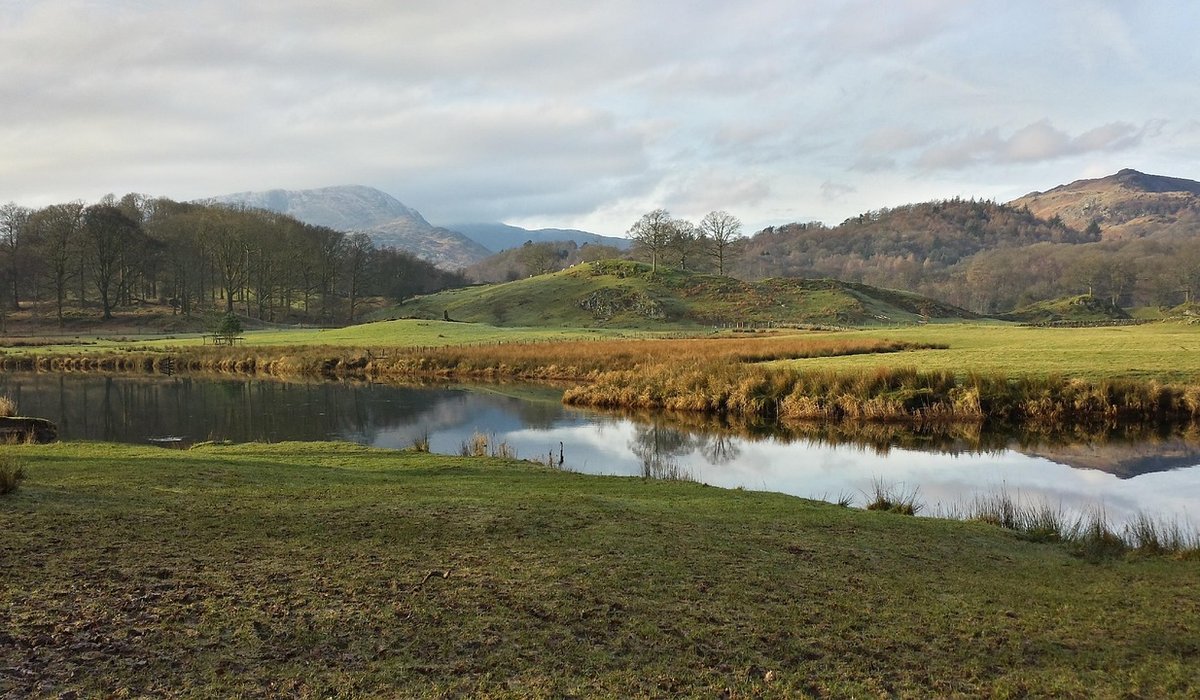
There is a particular quiet on a ridge at first light that makes it easy to believe you are in wilderness. You are not. Almost every inch of the UK hills has been grazed, drained, planted or walled at some point, and much of what looks wild is a working landscape. Leave No Trace is not a rulebook imposed from outside; it is good manners scaled up to a whole hillside, and it keeps our best ridge routes worth walking.
Why the Small Things Matter
Upland Britain is beautiful and brittle. Peat, moss and heather grow slowly, so a bootprint in blanket bog can stay visible for years and a patch of erosion can take decades to heal. Meanwhile the people who farm these hills depend on them for a living — livestock, grazing rights, hay meadows and forestry are all part of the picture. Most damage comes from ordinary habits rather than malice: a short cut across a bend, an apple core in the heather, a dog loose in spring. Once you know why they matter, they are easy to change.
Carry Out Everything You Carry In
"It's only an orange peel" has probably caused more upland litter than anything else. On a cool, damp hillside, orange and banana skins take months or years to break down, and in the meantime they look like rubbish and attract scavengers. Tea bags, wet wipes and tissues are worse.
- Bring a small stuff sack for your own rubbish and keep it somewhere you will actually use it.
- Never bury litter or tuck it under a rock — sheep and cattle will find it and plastic can choke them.
- Bag dog poo and carry it to a bin. Bagged poo left on a wall is worse than no bag at all.
- Take cigarette butts and gel wrappers home. Both are light, persistent and a fire risk in dry weather.
- If you spot litter that is clearly not yours and it is safe to reach, pick it up.
Keep to Paths and Protect Fragile Ground
Footpaths concentrate wear on ground that can take it. When walkers spread out beside a muddy path, the path widens; do that for a decade and a modest trail becomes a ten-metre scar. On popular ridges and summits, braided desire lines are often the most visible damage in the whole national park.
- Walk on durable surfaces: rock, dry grass, boardwalk or pitched stone. Avoid moss, lichen and bare peat.
- Stay in the middle of a muddy path rather than skirting the edge. It feels wrong, but it stops the path spreading.
- Do not cut the zig-zags. Switchbacks exist because the slope is too steep to climb directly.
- Use stiles and gates rather than climbing walls or fences.
- Leave gates as you find them — open if open, closed if closed.
Respect Wildlife and Livestock
Spring and early summer are the most sensitive months. Curlew, lapwing, golden plover, skylark and ring ouzel nest on the ground across UK moorland, and a bird flushed from a nest may abandon it. Between March and July, access rules in England and Wales require dogs on a short lead on open access land.
- Keep dogs under close control near livestock, and on a lead around sheep with lambs or cows with calves.
- If cattle approach, release the lead so your dog can get away. A dog on a lead cannot escape.
- Never feed ponies, sheep or cattle — human food makes them ill and encourages dangerous behaviour.
- Admire adders and lizards from a distance, and check for ticks after every walk.
- Leave the drone at home. It disturbs wildlife and irritates everyone else on the hill.
Farming, Fires and the Working Landscape
The hills are a workplace as much as a playground. Park considerately — never in a field entrance, passing place or gateway — and respect temporary diversions for lambing, forestry or shooting. A nod and a hello to a farmer goes a long way, and access to much of our best ridge walking depends on goodwill as much as legislation.
Fires are the one place to be rigid. Open fires and disposable barbecues have no place on moorland, heath or in woodland. Peat can smoulder underground for days and reignite in a fresh breeze, and the resulting wildfires devastate nesting birds and grazing. If you want hot food, use a stove on rock or bare ground, well clear of vegetation.
Plan Ahead and Leave It Better
Most rescues, and most accidental damage, start with a plan that was thinner than it should have been. Check the forecast, know your route, carry a map and compass, tell someone where you are going and when you expect to be back, and take more layers than the valley suggests. Turning back is a skill worth practising.
Leave what you find: no rock collecting, no picking wildflowers, no rearranging drystone walls for a photograph. Take only memories, leave only footprints — and if you can, leave the place a little better than you found it. Carry a spare bag, pick up one piece of litter, close a gate someone else left swinging. The hills have given UK walkers a great deal. A little care is a fair way of saying thank you.
tag: Countryside

Sophie Bramley Author
Use head nets, repellent and avoid damp sheltered spots at dawn and dusk to reduce biting insect nuisance.
YOU MAY ALSO LIKE
Dealing With Midges On Scottish Hill Trips
Jul 27
10Look for reliable brightness, long battery life and a comfortable strap when walking in darkness on unmarked terrain.
read more
Choosing A Head Torch For Night Navigation
Jul 23
10Pack blister plasters, painkillers, a survival bag and a charged phone for emergencies far from help or phone signal.
read moreRidge Walks
-

ERRIC CATONA
Adjust your pace, use rest steps and keep your pack close to your back to conserve energy on long ascents.
May 19, 2016 at 5.12 pm
Reply
ERRIC CATONA
Know where you can legally roam, respect closures and follow local signs when crossing moorland and farmland in England and Wales.
May 19, 2016 at 5.12 pm
Reply -
ERRIC CATONA
Learn to move confidently on rock, use three points of contact and judge when to rope up on grade one ground.
May 19, 2016 at 5.12 pm
Reply
Hill Skills
Your email address will not be published.